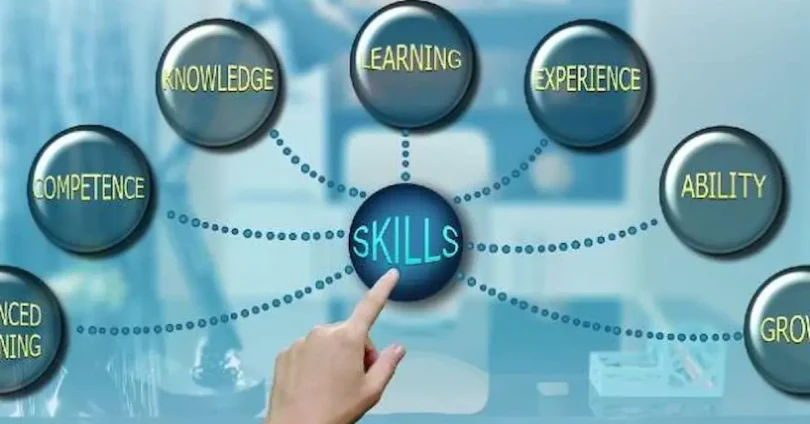

Career growth is an important goal for every student and working professional. It means improving your position, skills, and opportunities in your chosen field over time. In today’s competitive world, education alone is not enough to build a successful career.
To achieve real progress, you need to develop the right abilities that help you perform better at work and stand out from others. These abilities are known as skills needed for career growth, and they play a key role in your long-term success.
This guide will help you understand the most important skills required for career development in a simple and practical way. By learning and improving these skills step by step, you can build a strong and successful career path.
Importance of Skills Needed for Career Growth
Why Skills Matter in Your Career
Skills play a major role in shaping your career. In today’s competitive job market, employers look for people who can perform tasks efficiently, communicate well, and solve problems. Good skills make you more valuable and increase your chances of success. Skills Needed for Career Growth
Better Job Opportunities
When you have strong skills, you become eligible for more job opportunities. Companies prefer candidates who can adapt quickly and contribute effectively to the organization. Skills Needed for Career Growth
Growth and Promotions
Career growth is directly linked to your abilities. Employees with better skills are more likely to get promotions, salary increases, and leadership roles in their workplace. Skills Needed for Career Growth
Increased Confidence at Work
Having the right skills helps you feel more confident in your job. You can handle tasks better, make decisions easily, and perform without fear or hesitation. Skills Needed for Career Growth
Improved Productivity
Skilled employees complete their work faster and with better quality. This improves overall productivity and makes a positive impact on the organization. Skills Needed for Career Growth
Adaptability in Changing Environment
The workplace is always changing due to technology and new methods. Skills help you adapt quickly to these changes and stay relevant in your career field. Skills Needed for Career Growth
Strong Professional Reputation
Good skills help you build a strong reputation among colleagues and employers. People trust and respect professionals who are skilled and reliable. Skills Needed for Career Growth
Long-Term Career Success
Developing the right skills ensures long-term success. It helps you grow steadily in your career and achieve your professional goals. Skills Needed for Career Growth
Communication Skills
What Communication Skills Mean
Communication skills refer to your ability to express ideas clearly and understand others effectively. It includes speaking, listening, writing, and even non-verbal communication like body language. Skills Needed for Career Growth
Why Communication Skills Are Important for Career Growth
Good communication is essential in almost every job. It helps you share your thoughts, understand instructions, and work better with others. Strong communication skills also create a positive impression in the workplace. Skills Needed for Career Growth
Improve Speaking Skills
Speaking clearly and confidently is very important. Practice using simple words, maintain eye contact, and speak at a steady pace. This helps you sound more professional and confident. Skills Needed for Career Growth
Develop Listening Skills
Listening is a key part of communication. Pay full attention when others are speaking, and try to understand their message before responding. Good listeners are valued in every workplace. Skills Needed for Career Growth
Improve Writing Skills
Writing skills are important for emails, reports, and professional communication. Focus on clear sentences, correct grammar, and simple language to make your writing effective. Skills Needed for Career Growth
Build Confidence in Communication
Confidence helps you communicate better. Do not be afraid of making mistakes. The more you practice, the more confident you become in expressing yourself. Skills Needed for Career Growth
Use Communication in Real Work Situations
Try to use your communication skills in daily life and work environments. Participate in discussions, ask questions, and share your ideas openly. Skills Needed for Career Growth
Benefits of Strong Communication Skills
Good communication improves teamwork, increases productivity, and helps you grow faster in your career. It is one of the most important skills for professional success. Skills Needed for Career Growth
Time Management Skills
What Time Management Means
Time management is the ability to plan and control how you spend your time so you can complete tasks efficiently. It helps you work smarter, not harder, by using your time in a structured and purposeful way. Skills Needed for Career Growth
Why Time Management is Important for Career Growth
In any profession, time is very valuable. Employers prefer individuals who can complete tasks on time, handle pressure, and stay organized. Strong time management skills improve your performance and open doors for promotions and better opportunities.
Create a Proper Daily Schedule
Start your day with a clear schedule. Write down all your tasks and assign time to each one. A well-planned schedule helps you stay focused and reduces last-minute stress.
Learn to Set Priorities
Always identify which tasks are most important. Focus on urgent and high-value tasks first. This helps you use your energy on what really matters in your job or studies.
Avoid Procrastination
Procrastination is one of the biggest barriers to success. Instead of delaying tasks, start with small steps. Even beginning a task for a few minutes can help you overcome laziness.
Use the “Time Block” Method
Divide your day into time blocks for different activities like work, learning, and rest. This method improves focus and ensures every task gets proper attention.
Stay Organized at Work
Keep your desk, files, and digital folders organized. A clean and structured environment saves time and helps you find things quickly.
Limit Digital Distractions
Reduce time spent on unnecessary phone usage, social media, or entertainment during work hours. Staying focused increases productivity and improves the quality of your work.
Take Smart Breaks
Breaks are important for maintaining energy and focus. Short breaks between tasks help your mind refresh and improve concentration for the next task.
Learn to Say No When Needed
Sometimes, taking too many tasks can reduce your efficiency. Learn to say no to unnecessary work so you can focus on your main responsibilities.
Track Your Time Usage
Keep a simple record of how you spend your day. This helps you identify time-wasting habits and improve your daily routine.
Benefits of Time Management Skills
Good time management improves productivity, reduces stress, and helps you complete tasks efficiently. It is one of the most important skills for career success and long-term professional growth.
you may also like to read these posts;
Skill Growth Tips for Beginners: Easy Ways to Improve Fast
Best Skills to Learn for Future: Top Success Guide
How to Build New Skills Fast: Simple Guide for Beginners
Personal Skill Development Guide: Easy Steps to Improve Fast
Problem-Solving Skills
What Problem-Solving Skills Mean
Problem-solving skills mean the ability to identify a problem, understand it clearly, and find the best possible solution. These skills help you think logically and act in a smart way when challenges come in your work or studies.
Why Problem-Solving Skills Are Important for Career Growth
Every job comes with challenges and unexpected situations. Employers value people who can handle problems calmly and find solutions quickly. Strong problem-solving skills make you more reliable and valuable in any workplace.
Understand the Problem Clearly
Before solving any problem, take time to understand it properly. Don’t rush into solutions. Ask questions like what the issue is, why it happened, and what is affecting it.
Break Problems into Small Parts
Big problems can feel difficult, but breaking them into smaller parts makes them easier to solve. Handle each part step by step instead of trying to fix everything at once.
Think of Multiple Solutions
Do not depend on only one idea. Try to think of different possible solutions. This helps you choose the best and most effective option.
Stay Calm Under Pressure
Stress can make problems seem bigger than they are. Stay calm and think clearly. A relaxed mind always finds better solutions.
Learn from Past Experiences
Look at how similar problems were solved in the past. Learning from experience helps you avoid mistakes and improve your decision-making.
Improve Logical Thinking
Practice activities like puzzles, case studies, and real-life scenarios. These improve your logical thinking and help you solve problems faster.
Take Help When Needed
Sometimes, asking for help is the right decision. Talking to colleagues, seniors, or mentors can give you new ideas and better solutions.
Practice Decision-Making
Every solution requires a decision. Practice making small decisions confidently in daily life. This builds your ability to handle bigger problems at work.
Benefits of Problem-Solving Skills
Strong problem-solving skills improve your performance, increase confidence, and help you grow faster in your career. They are essential for long-term professional success.
Technical and Digital Skills
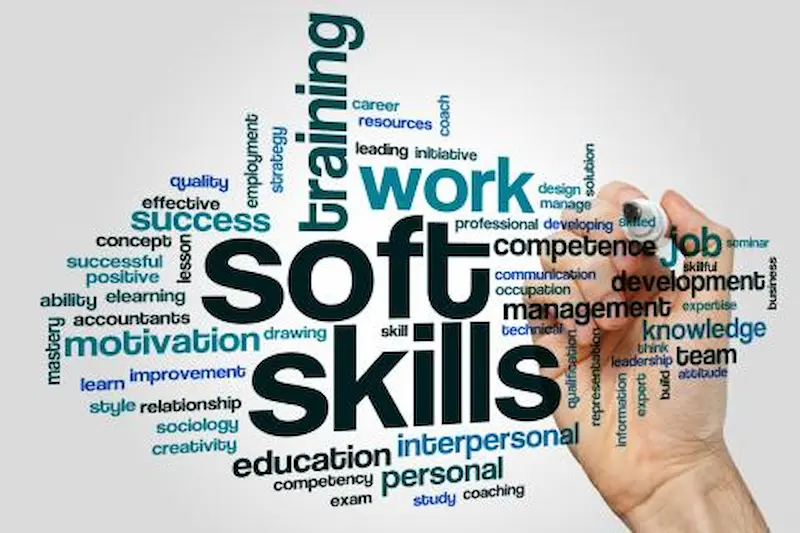
What Technical and Digital Skills Mean
Technical and digital skills refer to the ability to use computers, software, and digital tools effectively in your job. These skills are essential in almost every modern career.
Why These Skills Are Important for Career Growth
Today’s workplaces are highly digital. From offices to businesses, almost every task depends on technology. Having strong digital skills makes you more efficient, competitive, and job-ready.
Basic Computer Skills
Start with simple computer knowledge such as typing, using Microsoft Word, Excel, and PowerPoint. These tools are commonly used in offices and academic work.
Internet and Email Skills
Knowing how to use the internet properly is very important. You should also learn how to send professional emails, search information, and communicate online effectively.
Use of Workplace Software
Many jobs require specific software. Learning tools related to your field, such as accounting software, design tools, or management systems, can improve your career opportunities.
Data Handling Skills
Understanding how to organize, store, and analyze data is a valuable skill. Basic knowledge of spreadsheets and data entry can make you more productive.
Online Collaboration Tools
Modern workplaces use tools like Zoom, Google Drive, and project management apps. Learning these tools helps you work better in teams, especially in remote jobs.
Cyber Safety Awareness
Knowing how to stay safe online is also part of digital skills. Use strong passwords, avoid suspicious links, and protect your personal data.
Continuous Learning in Technology
Technology keeps changing, so you need to keep learning new tools and updates. Staying updated helps you remain relevant in your career.
Benefits of Technical and Digital Skills
These skills improve job opportunities, increase efficiency, and help you adapt to modern workplaces. They are essential for long-term career success.
What are the most important skills for career growth?
The most important skills include communication, time management, problem-solving, leadership, teamwork, and digital skills. These help you grow faster in your career.
How can I improve my career skills at home?
You can improve skills at home by practicing daily, using online courses, reading books, watching educational videos, and applying what you learn in real life.
Why are communication skills important for career growth?
Communication skills help you express ideas clearly, work better with others, and build strong professional relationships, which are important for success at work.
Conclusion
Skills needed for career growth play a very important role in your professional success. In today’s competitive world, education alone is not enough. You also need strong practical skills like communication, time management, problem-solving, leadership, and digital skills to move forward in your career.
The best part is that all these skills can be learned with regular practice and consistency. You don’t need to learn everything at once. Start small, focus on one skill, and keep improving step by step.
Remember, career growth is a journey that depends on continuous learning and self-improvement. The more you invest in developing your skills today, the more successful and confident you will become in the future.