

Starting your journey to improve skills can feel challenging, especially if you are a beginner. You may not know where to start or which method works best. But the truth is, everyone begins from zero, and with the right approach, anyone can grow and improve.
Skill growth is not about being perfect from the beginning. It is about learning step by step, practicing regularly, and staying consistent. Even small daily efforts can lead to big improvements over time. skill growth tips for beginners
This guide on skill growth tips for beginners will help you understand simple and practical ways to build your skills. By following these easy steps, you can gain confidence, improve faster, and move closer to your goals.
Start with One Skill at a Time
Why Focusing on One Skill is Important
Many beginners make the mistake of trying to learn too many skills at once. This can lead to confusion, stress, and slow progress. Focusing on one skill at a time helps you give full attention and improve faster. Skill Growth Tips for Beginners
Choose the Right Skill to Begin With
Start with a skill that is useful for your goals or daily life. For example, you can choose communication, writing, or time management. Picking the right skill makes learning more meaningful and practical. Skill Growth Tips for Beginners
Avoid Overloading Yourself
Trying to learn everything together can reduce your focus and motivation. When your mind is overloaded, it becomes harder to understand and remember things. Learning one skill at a time keeps your mind clear and focused. Skill Growth Tips for Beginners
Build a Strong Foundation
When you focus on one skill, you can learn its basics properly. A strong foundation makes it easier to learn advanced concepts later without confusion. Skill Growth Tips for Beginners
Move to the Next Skill Gradually
Once you feel confident in one skill, then move to another. This step-by-step approach helps you grow steadily and avoid frustration. Skill Growth Tips for Beginners
Stay Patient and Consistent
Improving one skill takes time, so stay patient and keep practicing. Consistency will help you see real progress over time.
you may also like to read these posts;
Best Skills to Learn for Future: Top Success Guide
How to Build New Skills Fast: Simple Guide for Beginners
Personal Skill Development Guide: Easy Steps to Improve Fast
Skills Needed for Career Growth: Top Skills for Success
Set Clear and Simple Goals
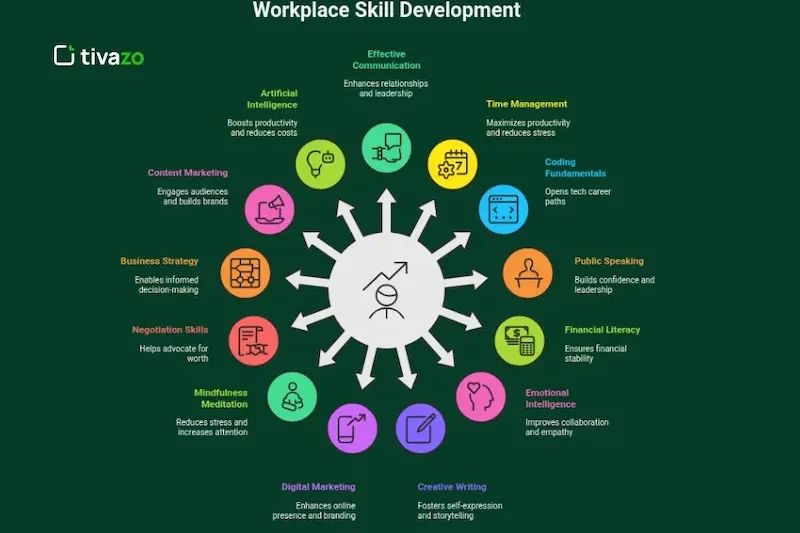
Why Goals Matter for Skill Growth
Goals give your learning a clear direction. Without goals, you may feel lost or unsure about what to do next. Clear goals help you stay focused, use your time wisely, and see real improvement step by step. Skill Growth Tips for Beginners
Be Clear About What You Want to Achieve
Before setting goals, decide exactly what you want to improve. Instead of a general goal like “improve skills,” choose something specific like “improve writing,” “speak confidently,” or “learn basic computer skills.” Clear goals make your efforts more effective. Skill Growth Tips for Beginners
Break Big Goals into Small Steps
Big goals can feel overwhelming, especially for beginners. Break them into smaller and manageable steps. For example:
- Learn 5 new words daily
- Practice speaking for 5 minutes
- Write a short paragraph
Small steps make learning easier and less stressful.
Set Daily Practice Goals
Daily goals keep you consistent. Simple tasks like reading one page, practicing for 15 minutes, or solving a few problems can make a big difference over time. Daily practice builds strong habits. Skill Growth Tips for Beginners
Create Weekly Targets for Progress
Weekly goals help you measure your improvement. For example, you can aim to complete a topic or improve one specific skill in a week. This helps you stay organized and focused. Skill Growth Tips for Beginners
Focus on One Goal at a Time
Avoid setting too many goals at once. Focus on one main goal so you can give it full attention. Once you achieve it, move to the next one. This method improves learning speed and clarity. Skill Growth Tips for Beginners
Keep Goals Realistic and Achievable
Always set goals based on your current level. If goals are too difficult, you may feel discouraged. Simple and achievable goals help you stay motivated and consistent. Skill Growth Tips for Beginners
Track Your Daily Progress
Keep a notebook or checklist to record your progress. Writing down what you achieved each day helps you stay disciplined and shows how much you have improved. Skill Growth Tips for Beginners
Review and Adjust Your Goals
Sometimes you may need to change your goals. If something feels too easy or too hard, adjust it. Flexible goals help you continue learning without stress. Skill Growth Tips for Beginners
Celebrate Small Achievements
Every small success matters. When you complete a goal, appreciate your effort. This keeps you motivated and builds confidence for future learning. Skill Growth Tips for Beginners
Build a Daily Practice Routine
Why a Daily Routine is Important
A daily practice routine helps you stay consistent and disciplined. Without a routine, learning becomes irregular and progress slows down. A simple routine makes skill improvement a natural part of your day. Skill Growth Tips for Beginners
Start with a Fixed Time
Choose a specific time each day for practice. It can be morning, afternoon, or evening—whatever suits you best. Studying at the same time daily builds a strong habit and improves focus. Skill Growth Tips for Beginners
Keep Your Routine Simple
As a beginner, avoid making a complicated schedule. Start with a simple routine like:
- 10–15 minutes of learning
- 10–15 minutes of practice
A simple routine is easier to follow and maintain.
Divide Time for Learning and Practice
Your routine should include both learning new things and practicing them. For example, first learn a concept, then apply it. This improves understanding and skill development.
Remove Distractions
Choose a quiet place and avoid distractions like mobile phones or social media during practice time. A focused environment helps you learn faster and better.
Be Consistent Every Day
Consistency is more important than long hours. Practicing a little every day is better than studying for many hours once in a while. Daily effort leads to steady improvement.
Adjust Routine When Needed
Your routine does not have to be perfect. If something is not working, make small changes. Flexibility helps you stay consistent in the long run.
Take Short Breaks
If you feel tired, take short breaks between practice sessions. This helps your mind stay fresh and improves concentration.
Track Your Routine
Keep a simple record of your daily practice. Mark completed tasks to stay motivated and see your progress.
Build Discipline and Habit
Over time, your daily routine becomes a habit. Once it becomes a habit, learning feels easier and more natural.
Learn the Basics First
Why Basics Are Important
Every skill has a foundation. If your basics are weak, it becomes difficult to understand advanced concepts. Strong basics make learning easier, faster, and more effective.
Start with Simple Concepts
As a beginner, always begin with the simplest parts of a skill. Do not rush into advanced topics. Understanding basic concepts clearly will give you confidence and clarity.
Build a Strong Foundation
When you spend time learning the basics properly, you create a strong base for future learning. This helps you avoid confusion later and improves your overall performance.
Avoid Skipping Steps
Many beginners try to skip basic steps to learn faster, but this often leads to mistakes. Follow a step-by-step approach and learn everything in order.
Use Beginner-Friendly Resources
Choose simple books, videos, or guides that are easy to understand. Beginner-friendly resources explain concepts clearly and help you learn without confusion.
Practice Basic Skills More
Spend extra time practicing basic skills. Repetition helps you understand concepts deeply and makes advanced learning easier.
Ask Questions When Confused
If you don’t understand something, ask questions or seek help. Clearing doubts early prevents problems later in your learning journey.
Be Patient with the Learning Process
Learning basics may feel slow, but it is very important. Take your time and focus on understanding instead of rushing.
Move to Advanced Level Gradually
Once your basics are strong, you can slowly move to advanced topics. This step-by-step growth ensures long-term success.
Practice Regularly

Why Regular Practice is Important
Practice is the most important part of skill growth. You cannot improve just by reading or watching—you need to actively practice. Regular practice helps you understand better, remember longer, and perform with confidence.
Make Practice a Daily Habit
Try to practice every day, even if it’s for a short time. Daily practice keeps your learning active and helps build strong habits. Consistency is more important than long hours.
Focus on Quality Practice
It is better to practice with full focus for a short time than to practice for hours without attention. Always stay focused and avoid distractions during your practice sessions.
Use Active Learning Methods
Do not just read or watch—take action. For example:
- Write what you learn
- Speak out loud
- Solve problems
- Teach someone else
Active practice improves understanding and memory.
Repeat to Improve
Repetition is key to mastering any skill. The more you repeat a task, the more comfortable and confident you become. Practice difficult areas more often.
Practice in Real-Life Situations
Try to use your skills in real life. For example, speak with others, write messages, or apply what you learn in daily tasks. This makes learning more practical.
Track Your Practice
Keep a simple record of your daily practice. This helps you stay consistent and shows how much you have improved over time.
Learn from Mistakes
Mistakes are part of learning. Instead of avoiding them, understand your mistakes and correct them. This helps you improve faster.
Stay Consistent
Even small daily practice leads to big results. Do not give up if progress feels slow. Keep practicing regularly, and improvement will come naturally.
What are the best skill growth tips for beginners?
The best tips include starting with one skill, setting clear goals, practicing daily, learning the basics, and staying consistent.
How long does it take to improve a skill?
It depends on the skill and your effort. With regular practice, you can see improvement in a few weeks, but mastering a skill may take months.
How can beginners stay motivated?
Set small goals, track your progress, and celebrate small achievements. Staying consistent and seeing improvement helps maintain motivation.
Conclusion
Skill growth is a journey that every beginner can start with simple steps and consistent effort. You don’t need to be perfect from the beginning; what matters most is starting, practicing regularly, and staying patient with your progress.
By focusing on one skill, setting clear goals, building a daily routine, and learning the basics first, you can steadily improve over time. Mistakes are part of learning, so use them as opportunities to grow instead of giving up.
Remember, small daily improvements lead to big results in the long run. Stay consistent, keep practicing, and believe in your ability to improve. With the right mindset and habits, any beginner can build strong skills and achieve success.