
Online learning has made it easier than ever to gain new skills from anywhere in the world. From programming and digital marketing to design and personal development, thousands of courses are available on different platforms. However, this wide variety often creates confusion for students who are trying to decide which course is the right one for them.
Many learners make the mistake of choosing a course without proper research, which can lead to wasted time and money. This is why comparing online courses is so important. A proper comparison helps you understand differences in content, quality, instructor experience, and overall value before you enrol. online course comparison guide
In this online course comparison guide, you will learn how to evaluate different courses step by step and choose the one that best matches your goals, budget, and learning style.
Why Online Course Comparison Guide is Important
Saves Your Time and Effort
When you compare courses before enrolling, you avoid wasting time on low-quality or irrelevant content. It helps you quickly find the right course instead of trying random options. Online Course Comparison Guide
Helps You Save Money
Many online courses are paid, and prices can vary a lot. Comparing courses ensures you spend your money on a course that truly offers value and useful learning. Online Course Comparison Guide
Improves Learning Quality
Not all courses teach in the same way. Some are clear and structured, while others are confusing. Comparison helps you choose a course with better teaching quality and easy understanding. Online Course Comparison Guide
Helps You Avoid Poor Choices
Without comparison, you may end up choosing a course that does not match your goals. Reviewing options reduces the risk of making the wrong decision. Online Course Comparison Guide
Gives You Better Career Direction
When you choose the right course, you gain skills that actually help in jobs, freelancing, or business. Comparison ensures your learning supports your future goals. Online Course Comparison Guide
Helps You Understand Market Standards
By comparing courses, you learn what features are common, such as certifications, projects, or support. This helps you identify which course is offering more value. Online Course Comparison Guide
Increases Confidence in Your Decision
When you carefully compare different options, you feel more confident about your final choice because it is based on clear information, not guesswork. Online Course Comparison Guide
Helps You Find Better Instructors
Comparison allows you to check instructor experience and teaching style so you can learn from someone who explains topics clearly and effectively. Online Course Comparison Guide
Ensures Better Practical Learning
Some courses focus more on theory, while others include real projects. Comparing helps you pick courses that offer hands-on practice. Online Course Comparison Guide
Reduces Learning Frustration
Choosing the wrong course can feel frustrating and confusing. Proper comparison makes learning smoother and more enjoyable.
you may also like to read these posts;
Skill Growth Tips for Beginners: Easy Ways to Improve Fast
Best Skills to Learn for Future: Top Success Guide
How to Build New Skills Fast: Simple Guide for Beginners
Personal Skill Development Guide: Easy Steps to Improve Fast
Skills Needed for Career Growth: Top Skills for Success
What to Look for When Comparing Courses
Course Content Quality
Always check what topics are included in the course. A good course should start from basic concepts and gradually move to advanced topics in a simple and clear way. Avoid courses that are missing important fundamentals or feel incomplete.
Instructor Experience and Teaching Style
The instructor plays a big role in your learning. Look for someone who has real experience in the subject and explains topics in an easy, step-by-step manner. A good teaching style makes even difficult topics simple to understand. Online Course Comparison Guide
Course Structure and Organization
A well-organized course is easier to follow. Check if the lessons are divided into proper sections or modules. A clear structure helps you learn in a smooth and systematic way without confusion. Online Course Comparison Guide
Practical Learning Opportunities
Choose courses that include real-life projects, assignments, or exercises. Practical learning helps you apply your knowledge and build real skills instead of just memorizing theory. Online Course Comparison Guide
Student Reviews and Ratings
Read honest feedback from other students. Reviews help you understand the strengths and weaknesses of the course and give you a real idea of what to expect. Online Course Comparison Guide
Course Duration
Check how long the course takes to complete. Some courses are short and basic, while others are detailed and take longer. Choose one that matches your available time and learning speed. Online Course Comparison Guide
Price and Value for Money
Compare the cost of different courses and see what you are getting in return. A higher price does not always mean better quality. Focus on value, not just cost. Online Course Comparison Guide
Certification
Some courses offer certificates after completion. If you need proof of learning for jobs or freelancing, make sure the course provides a recognized certificate. Online Course Comparison Guide
Flexibility and Access
Check if the course is self-paced or follows a fixed schedule. Flexible courses are better for beginners because you can learn anytime without pressure. Online Course Comparison Guide
Platform Reputation
Always consider the platform offering the course. Trusted platforms usually provide better content quality, support, and learning experience. Online Course Comparison Guide
Step-by-Step Course Comparison Guide
Step 1: Identify Your Learning Goal
Start by clearly deciding what you want to achieve. It could be getting a job, learning a new skill, or starting freelancing. A clear goal helps you choose the right course easily.
Step 2: Search for Multiple Courses
Don’t depend on just one option. Find at least 3 to 5 courses on the same topic so you can compare them properly.
Step 3: Compare Course Content
Check what topics each course covers. Look for a complete structure that starts from basics and moves to advanced concepts in a simple way.
Step 4: Check Instructor Quality
Read about the instructor’s experience and teaching style. A good instructor explains clearly and makes learning easy for beginners.
Step 5: Read Student Reviews
Go through real student feedback. Reviews help you understand the actual strengths and weaknesses of each course.
Step 6: Compare Price and Value
Look at the cost of each course and what it offers. Choose the course that gives the best value for your money, not just the cheapest one.
Step 7: Check Practical Learning
Make sure the course includes projects, assignments, or real-life examples. Practical learning helps you build real skills.
Step 8: Look for Certification
If you need proof of learning, check whether the course provides a certificate and if it is useful for jobs or freelancing.
Step 9: Check Flexibility
See if the course is self-paced or has fixed timing. Flexible courses are better for beginners with busy schedules.
Step 10: Make Your Final Decision
After comparing everything, choose the course that best matches your goals, learning style, and budget.
Common Mistakes to Avoid When Comparing Online Courses
Choosing Without Proper Research
One of the biggest mistakes is selecting a course without checking details. Always research content, instructor, and reviews before enrolling.
Focusing Only on Price
Many students choose the cheapest course, but low price does not always mean good quality. Focus on value, not just cost.
Ignoring Student Reviews
Skipping reviews can lead to wrong decisions. Real student feedback helps you understand the true quality of the course.
Enrolling in Too Many Courses at Once
Taking multiple courses at the same time can reduce focus and make learning confusing. It is better to complete one course properly first.
Not Checking Course Content
Some learners join a course without seeing what is included. Always check the syllabus to make sure it matches your goals.
Overlooking Instructor Quality
A course is only as good as its instructor. Ignoring teaching style and experience can make learning difficult.
Expecting Quick Results
Learning takes time and practice. Expecting instant success can lead to disappointment and loss of motivation.
Not Practicing What You Learn
Just watching lessons is not enough. Without practice, it is hard to build real skills and remember concepts.
Ignoring Practical Projects
Courses without projects or exercises may not help you gain real experience. Always choose courses with hands-on learning.
Not Comparing Multiple Options
Choosing the first course you find is a mistake. Always compare different courses to find the best one for your needs.
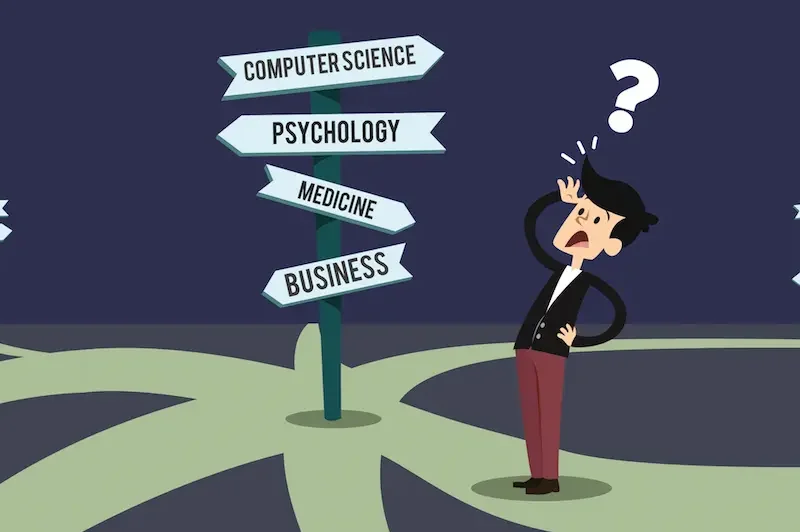
Tips for Choosing the Best Course
Start with Your Goal
Always begin by asking yourself what you want to achieve. Whether it is getting a job, learning a skill, or starting freelancing, your goal will guide your choice.
Choose Beginner-Friendly Courses First
If you are new, avoid advanced courses. Start with simple and easy-to-understand courses to build a strong foundation.
Focus on Skill Development
Pick courses that help you gain real-world skills instead of only theory. Practical knowledge is more useful for your future.
Check Course Reviews Carefully
Read honest reviews from other students. This will help you understand the real experience of the course before joining.
Look at Instructor Quality
A good instructor can make learning very easy. Choose courses taught by experienced teachers who explain clearly and simply.
Prefer Practical Learning
Choose courses that include projects, exercises, or real examples. Practical work helps you learn faster and better.
Don’t Rush Your Decision
Take your time before enrolling. Compare different options and choose the one that best fits your needs.
Stay Consistent
Once you start a course, stay consistent with your learning. Regular study helps you understand topics better and faster.
Avoid Overloading Yourself
Don’t try to learn too many skills at the same time. Focus on one course until you complete it properly.
Think About Future Opportunities
Choose courses that can help you in your career, freelancing, or personal growth. Always think long-term.
Why is online course comparison important?
Online course comparison helps you choose the best course by checking content, price, instructor quality, and student reviews before enrolling.
What should I compare before choosing a course?
You should compare course content, instructor experience, duration, price, reviews, and practical learning opportunities.
Are expensive courses always better?
No, expensive courses are not always better. Some affordable courses offer high-quality content and better value for money.
Conclusion
Comparing online courses is one of the smartest steps you can take before starting your learning journey. With so many options available today, it is easy to get confused, but a proper comparison helps you choose the right course based on your goals, budget, and skill level.
A good course is not just about price or popularity—it is about quality content, experienced instructors, practical learning, and real value. When you take time to compare different courses carefully, you increase your chances of success and avoid wasting time on the wrong choices.
In the end, the best learning decision is always an informed one. By using a simple comparison process, you can confidently choose the course that helps you grow your skills and achieve your future goals.