

Daily learning habits play an important role in a student’s success. Instead of studying only during exams or in a rush, developing simple habits every day helps students learn in a better and more organized way. These habits do not require extra effort, but they bring powerful results over time. daily learning habits for students
When students follow a daily routine for studying, they improve their focus, memory, and understanding of different subjects. Even small actions like revising lessons, making notes, or planning study time can make learning easier and less stressful.
In today’s busy academic life, having strong daily learning habits is not just helpful—it is necessary. In this article, you will learn easy and practical habits that students can follow every day to improve their studies and achieve better results.
Importance of Daily Learning Habits
Build Strong Study Discipline
Daily learning habits help students develop discipline in their studies. When you study at a fixed time every day, it becomes a routine. This routine makes it easier to stay consistent without feeling forced or stressed. Daily Learning Habits for Students
Improve Focus and Concentration
Good daily habits train your brain to focus better. When you study regularly in a planned way, your mind gets used to concentrating for longer periods, which improves overall learning quality. Daily Learning Habits for Students
Strengthen Memory and Retention
Studying a little every day is more effective than studying everything at once. Daily revision helps move information into long-term memory, making it easier to recall during exams. Daily Learning Habits for Students
Reduce Exam Stress
Students who follow daily learning habits don’t need to worry at the last moment. Since they revise regularly, they feel more prepared and confident before exams, which reduces stress and pressure. Daily Learning Habits for Students
Save Time and Increase Efficiency
When you study daily, you avoid wasting time relearning forgotten topics. This makes your study sessions more productive and helps you cover more material in less time. Daily Learning Habits for Students
Create a Balanced Study Routine
Daily habits help you give equal attention to all subjects. This balance ensures that no subject is ignored and overall academic performance improves. Daily Learning Habits for Students
Encourage Consistency Over Motivation
Motivation can change, but habits stay. Daily learning habits keep you on track even when you don’t feel like studying, ensuring steady progress. Daily Learning Habits for Students
Improve Academic Performance
Students who follow strong daily habits usually perform better in exams because they study in a structured and consistent way instead of last-minute preparation. Daily Learning Habits for Students
you may also like to read these posts;
Skill Growth Tips for Beginners: Easy Ways to Improve Fast
Best Skills to Learn for Future: Top Success Guide
How to Build New Skills Fast: Simple Guide for Beginners
Personal Skill Development Guide: Easy Steps to Improve Fast
Skills Needed for Career Growth: Top Skills for Success
Start the Day with a Simple Study Plan
Why a Daily Study Plan is Important
Starting your day with a study plan helps you stay organized and focused. When you know what you need to study, you avoid confusion and save valuable time. A simple plan gives direction to your day and makes learning more productive. Daily Learning Habits for Students
Set Clear Daily Goals
Before you begin studying, decide what you want to complete that day. It can be finishing a topic, revising a chapter, or solving practice questions. Clear goals help you stay on track and measure your progress easily. Daily Learning Habits for Students
Prioritize Important Subjects
Always start with the most important or difficult subjects first. When your mind is fresh, you can understand tough topics more easily. After that, move to easier subjects to maintain balance. Daily Learning Habits for Students
Break Tasks into Small Steps
Instead of planning large tasks, divide your study work into small parts. For example, instead of “study science,” write “read chapter 2” or “solve 5 questions.” Small tasks are easier to complete and reduce stress. Daily Learning Habits for Students
Keep Your Plan Simple and Realistic
Don’t overload your schedule with too many tasks. A simple and realistic plan is easier to follow and keeps you motivated throughout the day. Overplanning often leads to frustration. Daily Learning Habits for Students
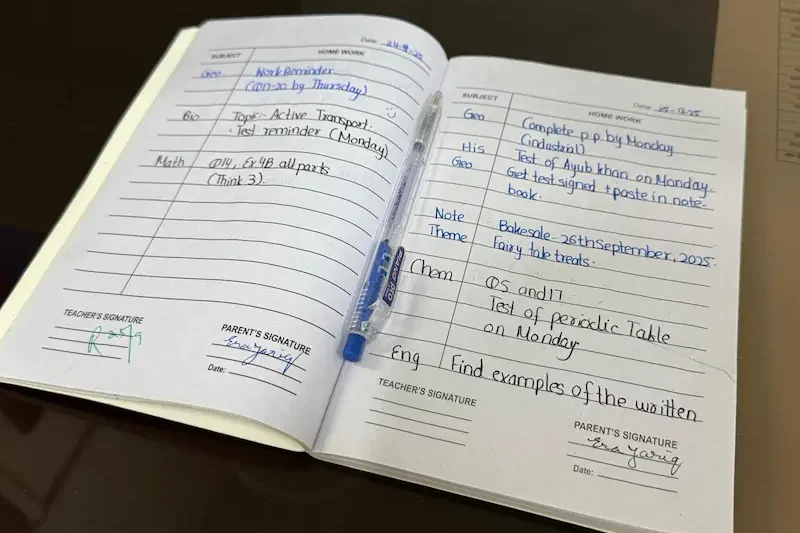
Use a Notebook or Planner
Write your daily study plan in a notebook or planner. This helps you stay organized and allows you to track what you have completed and what is left. Daily Learning Habits for Students
Stay Flexible When Needed
Sometimes things may not go as planned, and that is okay. If you miss a task, adjust your schedule instead of giving up. Flexibility helps you stay consistent without pressure. Daily Learning Habits for Students
Review Your Plan at the End of the Day
At the end of the day, check what you have completed. This helps you understand your progress and improve your planning for the next day. Daily Learning Habits for Students
Study at a Fixed Time Every Day
Why a Fixed Study Time Matters
Studying at a fixed time every day helps your brain develop a strong routine. When your mind knows exactly when it’s time to study, it becomes easier to focus and start learning without delay. This habit improves consistency and makes studying feel natural instead of forced. Daily Learning Habits for Students
Builds a Strong Learning Habit
When you study at the same time daily, it slowly becomes a habit. You don’t need extra motivation every day because your body and mind automatically get ready to study at that time.
Improves Focus and Productivity
A fixed study time reduces distractions and improves concentration. Since you are already prepared mentally, you can start studying quickly and complete tasks more efficiently.
Helps You Use Time Better
When your study time is planned, you avoid wasting time deciding when to study. This makes your day more organized and gives you more free time for other activities.
Choose the Best Time for You
Every student has a different peak focus time. Some learn better in the morning, while others focus more in the evening. Choose a time when you feel fresh, active, and alert.
Avoid Random Study Sessions
Studying at random times makes learning inconsistent. A fixed schedule helps you stay disciplined and ensures that you study every day without skipping.
Create a Comfortable Routine
Your study time should fit easily into your daily routine. When it feels natural and not stressful, you are more likely to follow it consistently.
Stick to Your Schedule
Try to follow your study time every day, even when you don’t feel like studying. Over time, this builds strong discipline and improves your learning results.
Revise Previous Lessons Daily
Why Daily Revision is Important
Daily revision is one of the most powerful learning habits for students. When you revise what you studied every day, your brain gets repeated exposure to the information, which helps you remember it for a longer time. Without revision, it is easy to forget what you have learned.
Strengthens Memory Over Time
Revision helps move information from short-term memory to long-term memory. Instead of forgetting lessons after a few days, regular revision ensures that knowledge stays fresh and easy to recall during exams.
Reduces Last-Minute Pressure
Students who revise daily do not need to panic before exams. Since they have already reviewed their lessons regularly, they feel more confident and prepared, which reduces stress and anxiety.
Makes Learning Easier
When you revise daily, new topics become easier to understand. This is because your mind already has a strong base from previous lessons, making it easier to connect new ideas.
Use Short and Simple Revision Sessions
Daily revision does not need to take hours. Even 15–30 minutes of revision each day is enough if done consistently. Focus on key points, summaries, and important concepts.
Review Notes Regularly
Your notes are your best revision tool. Go through your short notes, headings, and highlighted points to quickly refresh your memory without reading full chapters.
Practice What You Revise
After revising a topic, try solving a few questions related to it. This helps you check your understanding and improves your problem-solving skills.
Make Revision a Daily Habit
Treat revision as a fixed part of your daily study routine. When it becomes a habit, you will automatically remember to review your lessons every day without effort.
Focus on One Subject at a Time

Why Single-Subject Focus is Important
Focusing on one subject at a time helps your brain learn more effectively. When you switch between multiple subjects too quickly, your attention gets divided, and it becomes harder to understand anything properly. Single-focus study improves clarity and learning speed.
Improves Deep Understanding
When you stay with one subject for a longer time, your brain gets fully involved in that topic. This helps you understand concepts deeply instead of just memorizing them quickly and forgetting later.
Reduces Confusion Between Topics
Studying multiple subjects at once can mix up information in your mind. Focusing on one subject at a time avoids confusion and keeps your learning clear and organized.
Increases Learning Speed
When your full attention is on one subject, you don’t waste time switching between books or adjusting your thinking. This makes your study sessions more efficient and faster.
Helps You Stay More Focused
Single-subject study reduces distractions. Your mind stays stable and focused on one task, which improves concentration and productivity.
Better Exam Preparation
When you study one subject properly, you build a strong foundation. This helps you answer exam questions more confidently and accurately.
Use Study Blocks for Each Subject
Divide your study time into blocks and assign one subject to each block. For example, study Math for one session, then take a break before switching to Science.
Finish One Topic Before Moving On
Always complete a topic fully before moving to another subject. This ensures better understanding and avoids incomplete learning.
Avoid Mixing Subjects During Study Time
Do not jump between subjects in a single session. This breaks your flow and reduces learning efficiency.
What are daily learning habits for students?
Daily learning habits are simple routines like studying regularly, revising lessons, making notes, and staying organized that help students learn better every day.
Why are daily study habits important?
They are important because they improve focus, build discipline, strengthen memory, and reduce exam stress by making learning consistent.
How can I build good daily learning habits?
Start with a simple study plan, study at a fixed time, revise daily, and focus on one subject at a time. Consistency is the key.
Conclusion
Daily learning habits are the foundation of successful studying. When students follow simple routines like planning their day, studying at a fixed time, revising lessons regularly, and focusing on one subject at a time, learning becomes easier and more effective.
These habits not only improve understanding and memory but also reduce stress and last-minute pressure before exams. Small daily efforts may seem simple, but over time they create big improvements in academic performance.
The key to success is consistency. You don’t need to study for long hours every day—what matters is studying in a smart, organized, and regular way. Start building these habits today, and you will notice a clear improvement in your confidence, focus, and results.