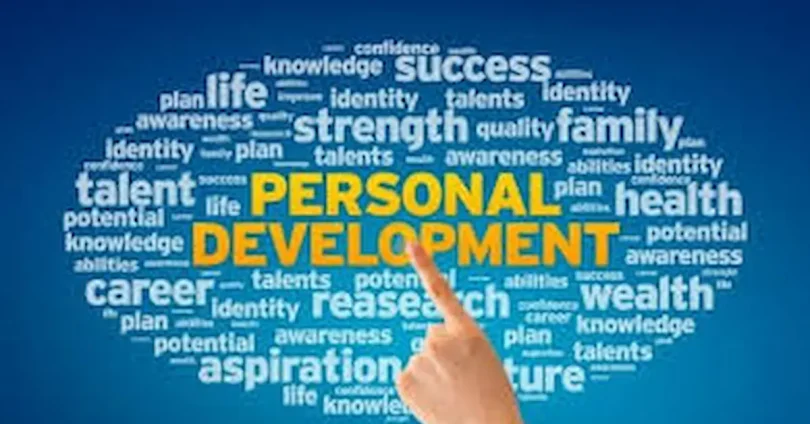

Personal skill development is one of the most important parts of becoming successful in life. It means improving your abilities, habits, and mindset to perform better in studies, work, and daily activities. When you develop your personal skills, you become more confident, focused, and capable of handling different situations.
In today’s fast-moving world, having only academic knowledge is not enough. You also need strong personal skills like communication, time management, and problem-solving to grow in your career and personal life.
This personal skill development guide will help you understand simple and practical ways to improve yourself step by step. By following these easy methods, you can build better habits, learn new skills, and achieve long-term success.
Understand Your Current Skills Personal Skill Development Guide
Why Self-Assessment is Important
Before improving yourself, it is important to understand where you currently stand. Knowing your strengths and weaknesses helps you focus on the areas that need improvement. This makes your learning more effective and goal-oriented.
Identify Your Strengths
Everyone has some natural strengths. It could be communication, creativity, problem-solving, or teamwork. Recognizing your strengths helps you build confidence and use them in the right way. Personal Skill Development Guide
Find Areas That Need Improvement
Along with strengths, you also need to identify weak areas. These could be lack of confidence, poor time management, or weak communication skills. Accepting your weaknesses is the first step toward improvement.
Ask for Feedback
Sometimes others can see things that you may not notice. Ask your teachers, friends, or family for honest feedback about your skills. This helps you understand yourself better. Personal Skill Development Guide
Keep a Simple Self-Check List
Make a list of your current skills and rate yourself in each area. This simple method helps you track where you are strong and where you need more practice. Personal Skill Development Guide
Be Honest with Yourself
Self-assessment only works when you are honest. Do not overestimate or underestimate your abilities. Clear understanding helps you grow faster. Personal Skill Development Guide
Set a Starting Point
Once you know your current skills, you can decide where to start your improvement journey. This makes your learning more structured and focused. Personal Skill Development Guide
Stay Open to Improvement
Remember that everyone starts somewhere. The goal is not to be perfect, but to improve step by step with time and effort.
you may also like to read these posts;
Skill Growth Tips for Beginners: Easy Ways to Improve Fast
Best Skills to Learn for Future: Top Success Guide
How to Build New Skills Fast: Simple Guide for Beginners
Skills Needed for Career Growth: Top Skills for Success
Set Clear Personal Goals
Why Setting Goals is Important
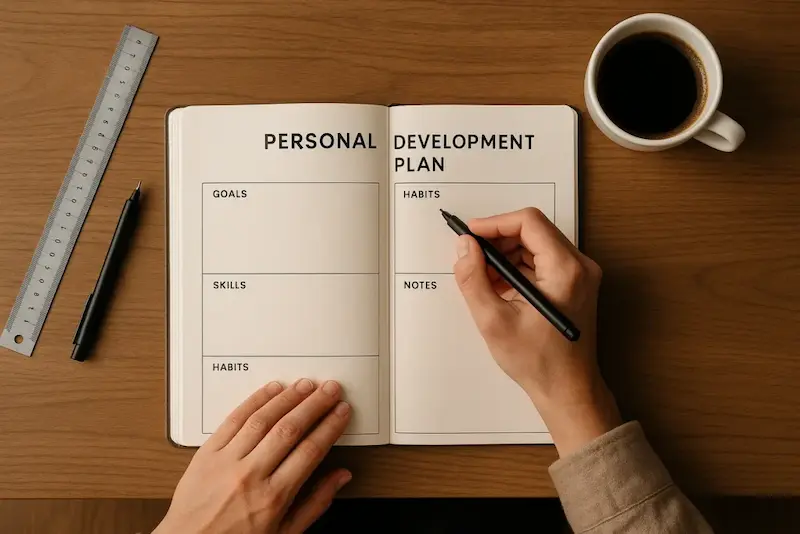
Personal goals give your learning a clear direction. Without goals, it becomes difficult to stay focused and measure your progress. Clear goals help you stay motivated and improve step by step.
Start with Simple Goals
As a beginner, avoid setting very big or difficult goals. Start with small and realistic goals like:
- Improve communication skills
- Learn time management
- Build confidence in speaking
Small goals are easier to achieve and help build momentum.
Make Your Goals Specific
Instead of saying “I want to improve,” be clear about what you want to achieve. For example:
- Speak confidently in front of others
- Study for 1 hour daily
- Write one page every day
Specific goals make your learning easier to follow.
Set Short-Term and Long-Term Goals
Divide your goals into two types:
- Short-term goals: Daily or weekly targets
- Long-term goals: Big achievements over months or years
This balance helps you stay focused and organized.
Write Your Goals Down
Writing your goals makes them more real and serious. Keep a notebook or digital list to track what you want to achieve.
Break Big Goals into Small Steps
Large goals can feel difficult, so break them into smaller tasks. This makes learning simple and less stressful.
Stay Flexible with Your Goals
Sometimes you may need to adjust your goals based on your progress. Changing goals is okay as long as you keep improving.
Review Your Progress Regularly
Check your goals weekly or monthly to see how much you have improved. This helps you stay motivated and on track.
Focus on One Skill at a Time
Why Single-Focus Learning Works Better
Trying to improve too many skills at once can slow down your progress. When your attention is divided, your brain takes more time to understand and remember things. Focusing on one skill helps you learn faster and more deeply. Personal Skill Development Guide
Choose Your Most Important Skill First
Start by selecting the skill that will benefit you the most right now. It could be communication, confidence building, time management, or any other personal skill. Prioritizing helps you stay clear and motivated. Personal Skill Development Guide
Avoid Switching Between Skills
Switching between different skills frequently can create confusion and reduce learning speed. Stay committed to one skill until you see improvement before moving to another. Personal Skill Development Guide
Build Strong Understanding
When you focus on a single skill, you can understand its basics and details properly. This creates a strong foundation that supports future learning. Personal Skill Development Guide
Improve Faster with Full Attention
Full focus allows you to notice mistakes quickly and correct them. This helps you improve your performance in less time.
Set a Time Period for Each Skill
Decide a specific time frame, such as a few weeks or months, to work on one skill. This helps you stay disciplined and consistent.
Practice Consistently
Regular practice on one skill is more effective than irregular practice on many skills. Consistency leads to steady improvement.
Avoid Distractions During Learning
Stay away from distractions like mobile phones or social media while practicing. A focused mind learns faster and better.
Build Confidence Step by Step
As you improve one skill, your confidence increases naturally. This motivates you to continue learning and growing.
Build a Daily Learning Habit
Why Daily Learning Matters
A daily learning habit is one of the fastest ways to improve personal skills. When you learn something every day, even in small amounts, your brain builds strong connections. This makes it easier to understand, remember, and apply new skills in real life.
Start Small and Stay Realistic
Many beginners fail because they start with very big plans. Instead, begin with small and achievable steps like:
- 15–30 minutes daily practice
- One simple task per day
Small efforts are easier to maintain and help you build long-term consistency.
Create a Fixed Learning Time
Choose a specific time each day for learning, such as early morning or before bed. A fixed time trains your mind to automatically prepare for learning, which improves focus and discipline. Personal Skill Development Guide
Make Learning a Natural Part of Life
Do not treat learning as a separate or difficult task. Include it in your daily routine naturally. For example:
- Practice speaking while walking
- Read short articles during free time
- Write small notes before sleeping
Focus on Consistency Over Motivation
Motivation can change daily, but consistency builds real progress. Even when you feel lazy or tired, try to do a small learning activity. This keeps your habit strong. Personal Skill Development Guide
Avoid Breaking the Habit Chain
Try not to miss your daily learning routine. Missing one day can turn into two, then more. Even on busy days, do at least a small practice session to stay connected. Personal Skill Development Guide
Remove Distractions During Learning Time
Keep your environment focused and distraction-free. Put your phone away, close unnecessary apps, and choose a quiet place. Focused learning gives better results in less time. Personal Skill Development Guide
Track Your Daily Effort
Keep a simple record of your progress. You can use a notebook, calendar, or checklist. Seeing your daily progress builds motivation and helps you stay disciplined. Personal Skill Development Guide
Reward Yourself for Consistency
Give yourself small rewards after completing a week or month of consistent learning. This helps you stay motivated and makes learning enjoyable. Personal Skill Development Guide
Gradually Improve Your Routine
Once your habit becomes strong, slowly increase your learning time or add new activities. This helps you grow without pressure and improves your skills faster over time. Personal Skill Development Guide
Learn from Reliable Resources
Why Choosing the Right Resources Matters
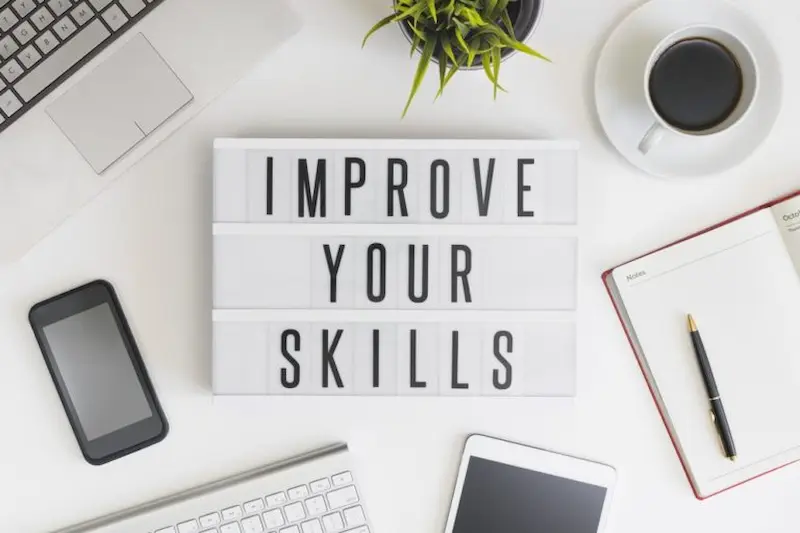
The quality of what you learn depends on where you learn from. Reliable and clear resources help you understand faster, avoid confusion, and build strong skills in less time.
Use Beginner-Friendly Materials
As a beginner, always choose simple and easy-to-understand content. Complicated books or advanced tutorials can slow you down. Start with basic explanations and gradually move to higher levels. Personal Skill Development Guide
Learn from Books
Books are one of the best sources for deep learning. They provide structured knowledge and help you understand concepts step by step. Choose books written for beginners in your skill area. Personal Skill Development Guide
Watch Educational Videos
Videos are helpful because they explain things visually. You can learn faster by watching demonstrations, examples, and step-by-step guides. Make sure the content is clear and easy to follow.
Use Online Courses
Online platforms offer structured learning programs. These courses guide you from basic to advanced levels and often include practice tasks, which help improve your skills faster.
Follow Trusted Websites and Blogs
Many websites provide useful and updated information. Always choose trusted sources that explain topics clearly and avoid confusing or misleading content.
Learn from Mentors and Experts
If possible, learn from teachers, mentors, or experienced people. They can guide you in the right direction, correct your mistakes, and give useful advice.
Avoid Confusing or Irrelevant Content
Not all information online is useful. Avoid jumping between too many sources. Stick to a few good resources to stay focused and consistent.
Practice What You Learn
Simply reading or watching is not enough. Apply what you learn immediately. Practice helps you understand better and remember longer.
Keep Updating Your Learning Sources
As you improve, move to slightly advanced materials. This helps you grow step by step without feeling overwhelmed.
Benefits of Reliable Resources
Good resources save time, improve understanding, and help you build strong and correct knowledge from the beginning.
What is personal skill development?
Personal skill development means improving your abilities, habits, and mindset to become better in your personal and professional life.
How can I start improving my personal skills?
Start by identifying your current skills, setting simple goals, and practicing one skill at a time regularly.
How much time should I spend daily on skill development?
Even 20–60 minutes of daily practice is enough if you stay consistent and focused.
Conclusion
Personal skill development is a continuous journey that helps you become a better and more confident person in life. It is not about learning everything at once, but about improving step by step with patience and consistency.
By understanding your current skills, setting clear goals, building daily habits, and practicing regularly, you can improve yourself in a simple and effective way. Learning from reliable resources and staying focused on one skill at a time will make your progress even faster.
Remember, small daily efforts lead to big long-term results. Stay consistent, believe in yourself, and keep improving your skills. With time and dedication, you can achieve personal growth and success in every area of life.