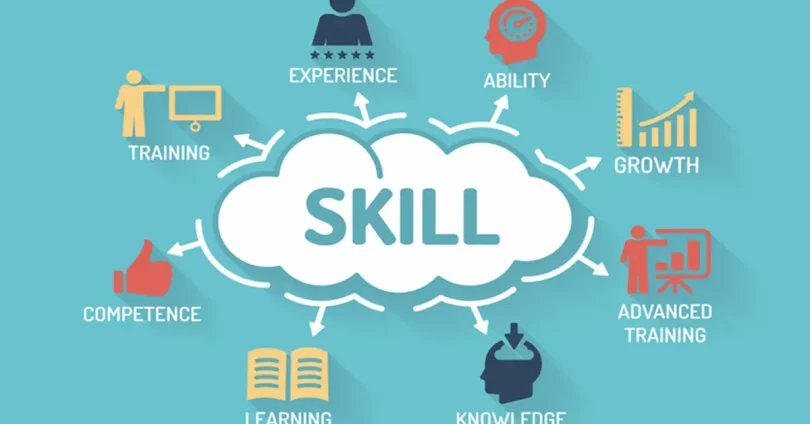

In today’s world, students need more than just good grades to succeed. Along with studies, important skills like communication, problem-solving, time management, and creativity play a big role in building a successful future.
The good thing is that skills are not fixed—they can be improved with practice, effort, and the right approach. Every student has the ability to grow and develop new skills step by step.
This guide on how to improve skills for students will help you understand simple and practical ways to build your abilities. By following these steps, you can become more confident, perform better in studies, and prepare yourself for future opportunities.
Identify Your Current Skills
Know Where You Stand
The first step to improving skills is understanding your current level. Every student has some strong skills and some weak areas. When you know where you stand, it becomes easier to focus on improvement. How to Improve Skills for Students
Find Your Strengths
Think about what you are already good at. It could be writing, reading, speaking, drawing, or solving problems. Knowing your strengths helps you stay confident and motivated while improving other areas. How to Improve Skills for Students
Identify Weak Areas
Along with strengths, also identify the skills you need to improve. For example, you may feel shy while speaking, or struggle with time management. Recognizing weak areas is the first step toward improving them. How to Improve Skills for Students
Self-Evaluation is Important
You can evaluate yourself by asking simple questions like:
- What do I find difficult in studies?
- Which tasks take me more time?
- Where do I make mistakes often?
This helps you understand yourself better.
Ask for Feedback
Sometimes others can notice things you miss. Ask your teachers, friends, or family about your skills. Their feedback can help you understand your strengths and weaknesses more clearly. How to Improve Skills for Students
Focus on Improvement Areas
Once you know your weak skills, choose 1–2 areas to work on first. Trying to improve everything at once can be confusing. Step-by-step improvement is more effective. How to Improve Skills for Students
you may also like to read these posts;
Skill Growth Tips for Beginners: Easy Ways to Improve Fast
Best Skills to Learn for Future: Top Success Guide
How to Build New Skills Fast: Simple Guide for Beginners
Personal Skill Development Guide: Easy Steps to Improve Fast
Skills Needed for Career Growth: Top Skills for Success
Set Clear Skill Goals
Why Clear Goals Matter
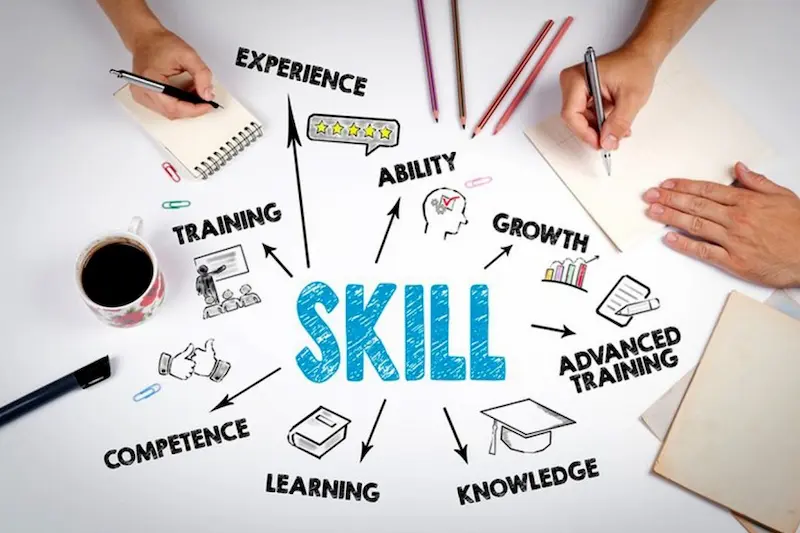
Setting clear skill goals is one of the most important steps in improving as a student. Without goals, your practice becomes random, and it becomes hard to measure progress. Goals give your learning a clear direction and purpose, helping you improve faster and more effectively. How to Improve Skills for Students
Understand What You Want to Improve
Before setting goals, be clear about the exact skill you want to develop. For example, do you want to improve speaking, writing, reading, or time management? When your goal is specific, your improvement becomes more focused and faster. How to Improve Skills for Students
Break Big Goals into Small Steps
Big goals like “become fluent in English” can feel overwhelming. Instead, break them into smaller steps such as:
- Learn 5 new words daily
- Speak for 3 minutes every day
- Write one short paragraph
Small steps make learning easier and less stressful. How to Improve Skills for Students
Create Daily Skill Targets
Daily targets help you stay consistent. For example:
- Practice speaking for 10 minutes
- Read one article
- Solve 5 practice questions
Even small daily efforts lead to big improvements over time. How to Improve Skills for Students
Set Weekly Improvement Goals
Weekly goals help you track your progress more clearly. For example, in one week you can focus on improving pronunciation, writing structure, or problem-solving speed. Weekly targets help you stay on track. How to Improve Skills for Students
Focus on One Skill First
Trying to improve everything at once can slow your progress. Choose one main skill and focus on it first. Once you see improvement, move on to another skill. This step-by-step approach is more effective. How to Improve Skills for Students
Make Goals Realistic and Achievable
Always set goals based on your current ability. If your goals are too difficult, you may feel discouraged. Simple and realistic goals keep you motivated and consistent. How to Improve Skills for Students
Track Your Improvement Regularly
Keep a small diary or checklist to record your daily practice. Tracking your progress helps you see how much you have improved and keeps you motivated to continue. How to Improve Skills for Students
Stay Flexible with Your Goals
Sometimes you may not complete your goals on time, and that’s okay. Adjust your targets instead of quitting. Flexibility helps you stay consistent in the long run.
Celebrate Small Wins
Every completed goal is progress. Even small improvements matter. Celebrating your achievements keeps you motivated and encourages you to keep going. How to Improve Skills for Students
Practice Regularly
Why Regular Practice is the Key to Skill Improvement
If you want to improve any skill as a student, practice is non-negotiable. Reading or understanding alone is not enough—real improvement happens when you apply what you learn again and again. Regular practice builds confidence, speed, and accuracy over time. How to Improve Skills for Students
Build a Strong Daily Practice Routine
Make practice part of your daily routine, just like eating or sleeping. Even if you practice for a short time every day, it will be more effective than long sessions once in a while. Consistency matters more than intensity. How to Improve Skills for Students
Start Small and Grow Step by Step
Do not pressure yourself to do too much at the beginning. Start with small tasks like:
- Writing a few lines daily
- Speaking for 2–5 minutes
- Solving a few questions
Once you feel comfortable, gradually increase the difficulty level.
Focus on One Skill During Practice
When practicing, focus on one skill at a time. For example, if you are working on writing skills, do not mix it with too many other tasks. This helps your brain concentrate better and improves faster. How to Improve Skills for Students
Practice Actively, Not Passively
Passive learning means just reading or watching. Active practice means doing something with what you learn. For example:
- Writing answers instead of just reading them
- Speaking aloud instead of thinking silently
- Solving problems instead of only reviewing them
Active practice improves memory and understanding. How to Improve Skills for Students
Use Real-Life Practice Opportunities
Try to use your skills in real situations. For example:
- Speak English with friends or family
- Write messages or short essays
- Solve daily life problems using math or logic
Real-life practice makes your learning more meaningful and practical. How to Improve Skills for Students
Repeat Difficult Areas More Often
Do not avoid difficult topics. Instead, practice them more frequently. Repeating difficult tasks helps you understand them better and slowly turns weaknesses into strengths. How to Improve Skills for Students
Track Your Daily Practice
Keep a simple notebook or checklist to record what you practiced each day. This helps you stay disciplined and see your progress clearly over time. How to Improve Skills for Students
Learn and Improve from Mistakes
Mistakes are not failures—they are learning tools. Every mistake shows you what you need to improve. Instead of giving up, correct your mistakes and try again. How to Improve Skills for Students
Stay Patient and Consistent
Skill improvement takes time. You may not see results immediately, but consistent practice always pays off. Even slow progress is still progress. How to Improve Skills for Students
Improve Communication Skills
Why Communication Skills Are Important for Students
Communication skills are essential for every student because they help you express thoughts clearly, build confidence, and perform better in academics and social life. Whether it is answering in class, giving presentations, or talking to others, good communication makes everything easier and more effective.
Practice Speaking in Daily Life
The best way to improve speaking skills is by practicing daily. You don’t need a big audience—start with simple habits like speaking in front of a mirror, talking to family members, or explaining what you studied today. Small daily practice builds strong confidence over time.
Focus on Clear and Simple Speech
Many students think speaking fast means speaking well, but that is not true. Clear communication is more important than speed. Speak slowly, use simple words, and make sure your listener understands your message easily.
Improve Listening Skills
Communication is a two-way process. Good speakers are also good listeners. Listen carefully when others speak, understand their ideas, and respond properly. This helps you learn faster and improves your overall communication ability.
Build Strong Vocabulary
A good vocabulary helps you express ideas better and sound more confident. Learn a few new words every day and try to use them in sentences. Over time, this will improve both your speaking and writing skills.
Participate in Class Activities
Take part in class discussions, group work, and presentations. These activities give you real practice in speaking in front of others and help you overcome shyness.
Practice Group Discussions
Group discussions are very helpful for improving communication skills. They teach you how to share ideas, listen to others, and respond politely. This also improves your thinking ability and confidence.
Record Your Voice for Improvement
Recording your voice while speaking is a powerful technique. When you listen to it later, you can easily find mistakes in pronunciation, grammar, or clarity and work on them.
Remove Fear of Mistakes
Many students hesitate to speak because they fear making mistakes. But mistakes are a natural part of learning. The more you practice, the fewer mistakes you will make, and your confidence will grow.
Stay Confident and Positive
Confidence is the key to good communication. Even if you are not perfect, speak with confidence and believe in yourself. A confident speaker always creates a strong impression.
Why is it important for students to improve skills?
Improving skills helps students perform better in studies, build confidence, and prepare for future careers. Skills like communication, time management, and problem-solving are very useful in real life.
How can students improve skills easily?
Students can improve skills by practicing daily, setting small goals, reading regularly, and taking part in activities like group discussions and presentations.
How much time should I spend on skill development daily?
Even 20–60 minutes daily is enough if you are consistent. Regular practice is more important than long, irregular sessions.
Conclusion
Improving skills is very important for every student who wants to succeed in studies and in life. Good skills like communication, reading, time management, and problem-solving help you become more confident and capable.
The key to skill improvement is simple—practice regularly, set clear goals, and stay consistent. Even small daily efforts can lead to big improvements over time. There is no shortcut, but with patience and dedication, every student can grow.
Remember, learning is a continuous process. Keep improving a little every day, learn from your mistakes, and never stop practicing. With the right mindset and habits, you can build strong skills and achieve your goals successfully.